Dirty or loose ground connections create current and voltage losses large enough to push a weld outside its procedure, according to The Fabricator's welding troubleshooting guide. That's spatter and lack of fusion, traced back to a $15 clamp.
Copper braid ground straps solve this by offering a flexible, low-resistance path that standard solid wire can't match. This guide covers how they're built, how to size them correctly, and where they fit across welding and industrial applications.
Key Takeaways
- Braided copper straps flex without fatigue, unlike rigid solid-wire grounds
- Strand count, weave tightness, and tinning determine conductivity and corrosion resistance
- Correct gauge and clamp contact area prevent voltage drop and arc instability
- Short, clean, direct connections outperform long or corroded ones
What Is a Copper Braid Welding Ground Strap
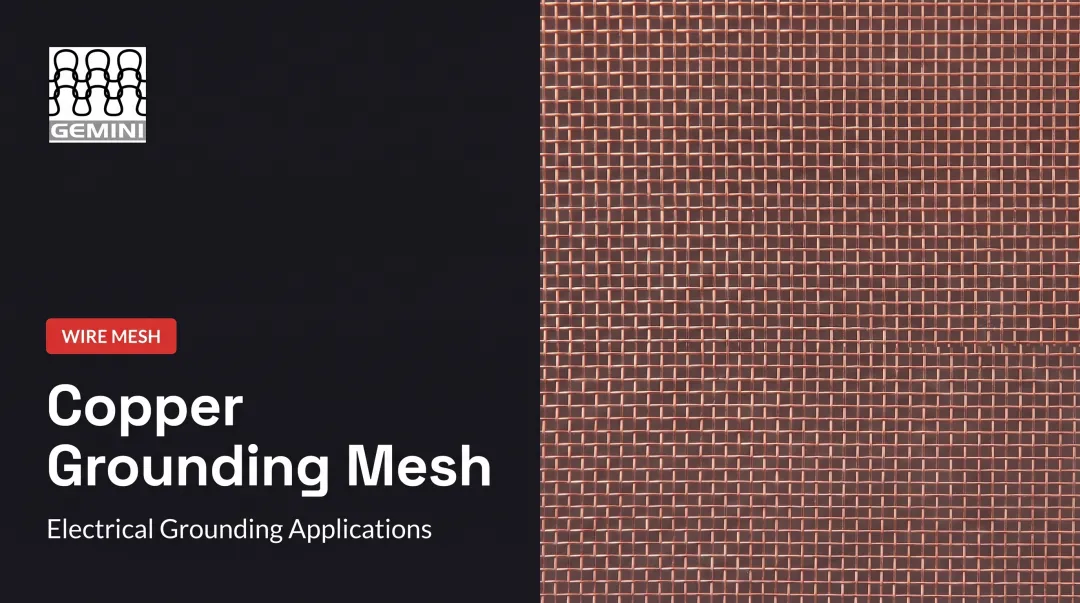
A copper braid ground strap is a woven or knitted conductor made from dozens (sometimes hundreds) of fine copper strands, interlaced into a flat, flexible band. It completes the electrical circuit between the welding power source and the workpiece: the "return path" for welding current.
Braid Construction and Flexibility
Unlike a single solid conductor, braid distributes current across many thin strands. This construction gives it two practical advantages:
- Flexibility — bends and flexes repeatedly without fatigue cracking under shop-floor abuse
- Easy termination — flat profile crimps or bolts cleanly to lugs and clamps
A common misconception is that braid automatically carries more current than solid wire because of "skin effect." That's not quite right. Skin effect is an AC, frequency-dependent phenomenon, and it doesn't apply to the DC current most welders use.
According to In Compliance Magazine's analysis of skin depth, DC current uses the entire conductor cross-section regardless of shape. Braid's real benefit for welding is flexibility and reduced mechanical fatigue, not a magic current boost. Size by actual copper cross-section and manufacturer ampacity data, not visible braid width.

Tinned vs. Bare Copper
Tin-coated braid resists oxidation better than bare copper, particularly in humid shops or environments with chemical exposure. Bare and tinned copper conduct equally well — tin's job is protecting that conductivity over time, not improving it initially.
Common applications:
- MIG/TIG welding shops
- Fabrication lines
- Automotive repair (battery-to-chassis bonding)
- Heavy equipment servicing
How Copper Braid Ground Straps Improve Weld Quality and Safety
Grounding quality directly affects how the arc behaves. Low-resistance connections keep voltage where it belongs: in the arc, not lost across a dirty clamp.
The Resistance-to-Defect Chain
When a ground connection has resistance it shouldn't, three things happen:
- Voltage drops before it reaches the arc
- The arc becomes unstable, wandering or sputtering
- Spatter increases and fusion quality drops
Industry practice is blunt on this point: current should pass through as few connections as possible, and anything less than clean copper, brass, or aluminum contact causes loss. Fewer connections, cleaner contact, and a shorter path keep energy in the weld.
Strand Count and Current Capacity
Braid's current-carrying capacity depends on total metallic cross-section, not just how wide the strap looks. A tightly knit, high-strand-count braid packs more copper into the same footprint than a looser braid, which means better ampacity and less heat buildup under load.
That same low-resistance path protects nearby electronics. Stray current and electromagnetic interference from a poor ground can damage sensitive equipment near the weld cell, not just the workpiece.
Batch-to-batch consistency decides whether those gains hold on the floor. Gemini Wiremesh produces precision-knitted tinned copper braid at 99.9% copper purity for electrical insulator and grounding-component manufacturers who need stable conductivity across orders. Its ISO 9001:2015-certified process keeps braid construction uniform, which OEMs need when grounding assemblies ship at scale without run-to-run variation.

How to Select the Right Copper Braid Ground Strap
Sizing a ground strap correctly comes down to matching copper cross-section to your amperage and duty cycle, then choosing a clamp that won't undo the benefit.
Gauge and Ampacity
Manufacturer ampacity charts (not a universal welding rule) give a useful benchmark. Storm Power Components lists continuous-use ratings in free air at 30°C:
| Braid Size | Max Ampacity | Width |
|---|---|---|
| #1 AWG | 190 A | 1.19 in |
| 3/0 AWG | 340 A | 1.25 in |
| 4/0 AWG | 375 A | 1.38 in |
| 300 kcmil | 510 A | 1.63 in |

Real-world duty cycle, ambient heat, and bend radius will shift these numbers. Always confirm with the manufacturer's data for your exact braid, not a generic chart.
Tinned Copper vs. Bare Copper
For humid or corrosive shop floors, tinned copper braid outlasts bare copper. Tin doesn't add conductivity. It protects the copper underneath from oxidation, which is what degrades performance over years of use.
Choosing the Right Clamp
The clamp matters as much as the strap. Lincoln Electric's clamp specifications show that jaw contact area directly affects ground connection integrity. A loose or narrow jaw undermines even the best braid.
Look for:
- Spring-loaded or C-clamps with wide, flat jaw surfaces
- Jaws that grip the full braid width without crushing individual strands
- Clean brass or copper contact faces, free of adherent spatter
Terminal and Crimp Quality
A braid is only as good as its termination. Loose crimps or poorly soldered lugs introduce resistance right where you need none. Gemini Wiremesh's tinned copper flat braided connectors are built to 0.10–0.30 mm thickness with 99.9% purity copper and typically ship with crimped, soldered, or bolted terminations. Give that connection point the same attention as the braid itself.
Installation and Maintenance Best Practices
Correct sizing won't save a poorly installed strap—placement and upkeep matter as much as the braid itself.
Placement
- Connect close to the weld point: the shortest path has the least resistance
- Attach to clean, bare metal, not paint, rust, or scale
- Avoid routing current through safety-ground connections; keep welding return and protective ground separate

Routine Inspection
Check regularly for:
- Fraying or broken strands
- Green or crusty corrosion at the termination
- Loose fasteners or clamp jaws
- Heat discoloration (a sign of resistance under load)
OSHA requires ground connections to be checked before operations begin. Replace any damaged insulation or exposed conductor immediately, not on a "next week" schedule.
Replacement Timing
Safety standards don't set a fixed calendar interval. Replace the strap when:
- Visible wear shows up (fraying, broken strands, crushed braid)
- An impact or contamination event hits the assembly
- Weld quality drifts with no other explainable cause
Common Industry Applications
Copper braid grounding is specified wherever a flexible, high-current path is required.
- Welding and fabrication shops: MIG, TIG, and stick setups use braid for a low-resistance return path that holds up to daily coiling and movement
- Automotive and heavy equipment repair: Braid straps bond battery negatives to chassis or engine blocks and absorb vibration that fatigues rigid conductors
- Industrial OEMs: Builders of electrical insulators, EMI shields, and grounding connectors embed tinned copper braid for consistent conductivity batch to batch
Frequently Asked Questions
What is a braided copper welding ground strap and how does it differ from a ground wire?
A braided strap weaves many fine copper strands into a flat, flexible conductor, versus a single solid wire. The braid flexes without fatigue and terminates more easily to lugs and clamps.
What is the best ground clamp to use with a braided copper welding ground strap?
Spring-loaded or C-clamps with wide, flat contact surfaces work best. They grip the full braid width firmly without crushing individual strands.
How long do copper braid ground straps typically last?
Lifespan varies with usage frequency, environment, and upkeep. Tinned copper generally outlasts bare copper in humid or corrosive shop conditions.
Can copper braid ground straps be used for high-amperage welding?
Yes, but strand count and gauge must match your amperage. Higher current demands thicker braid or a higher metallic cross-section, not just a wider-looking strap.
Why does grounding quality affect weld appearance and strength?
Poor grounding causes voltage drop and arc instability. That instability shows up as spatter, weak fusion, and inconsistent penetration in the finished weld.